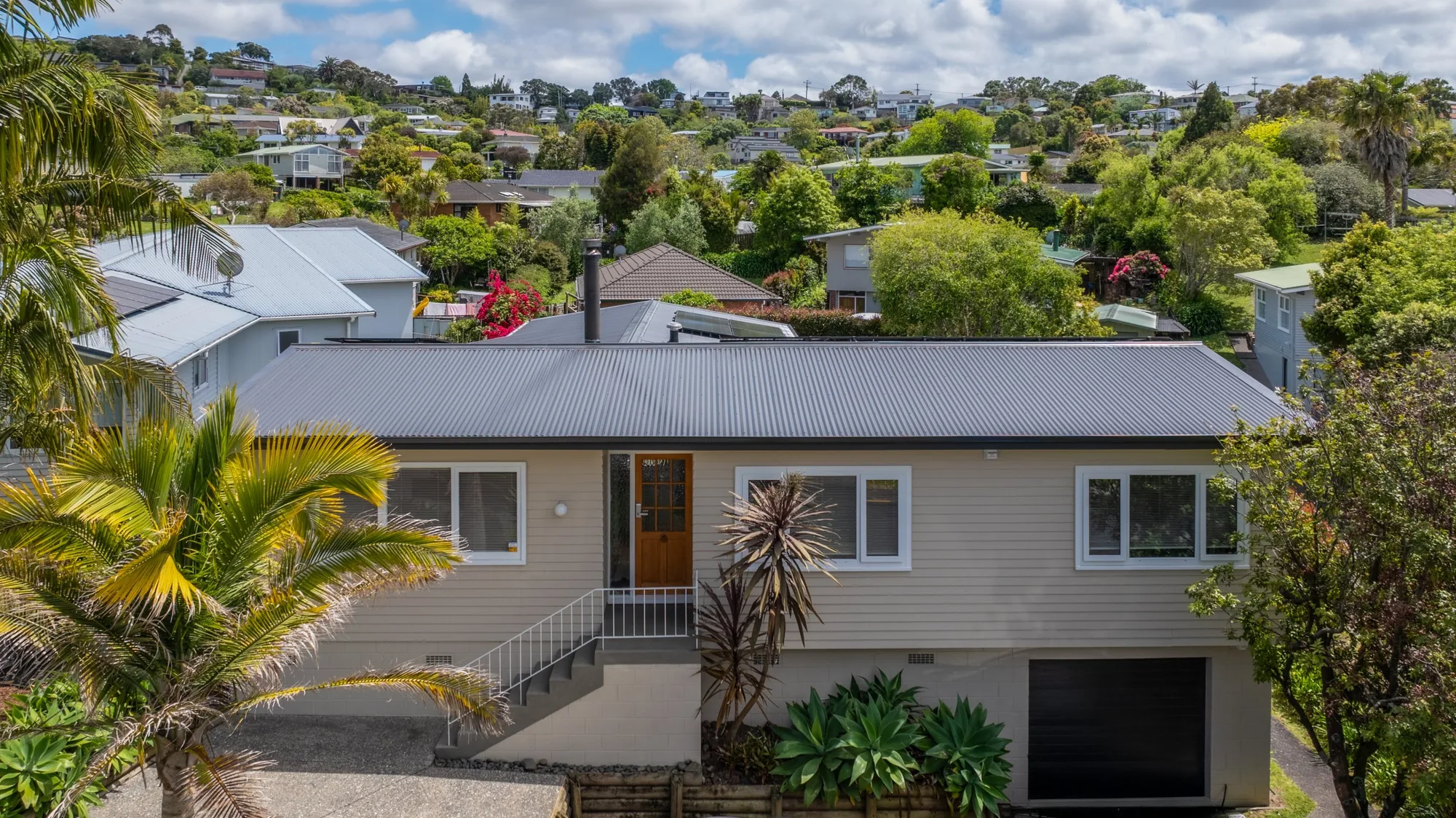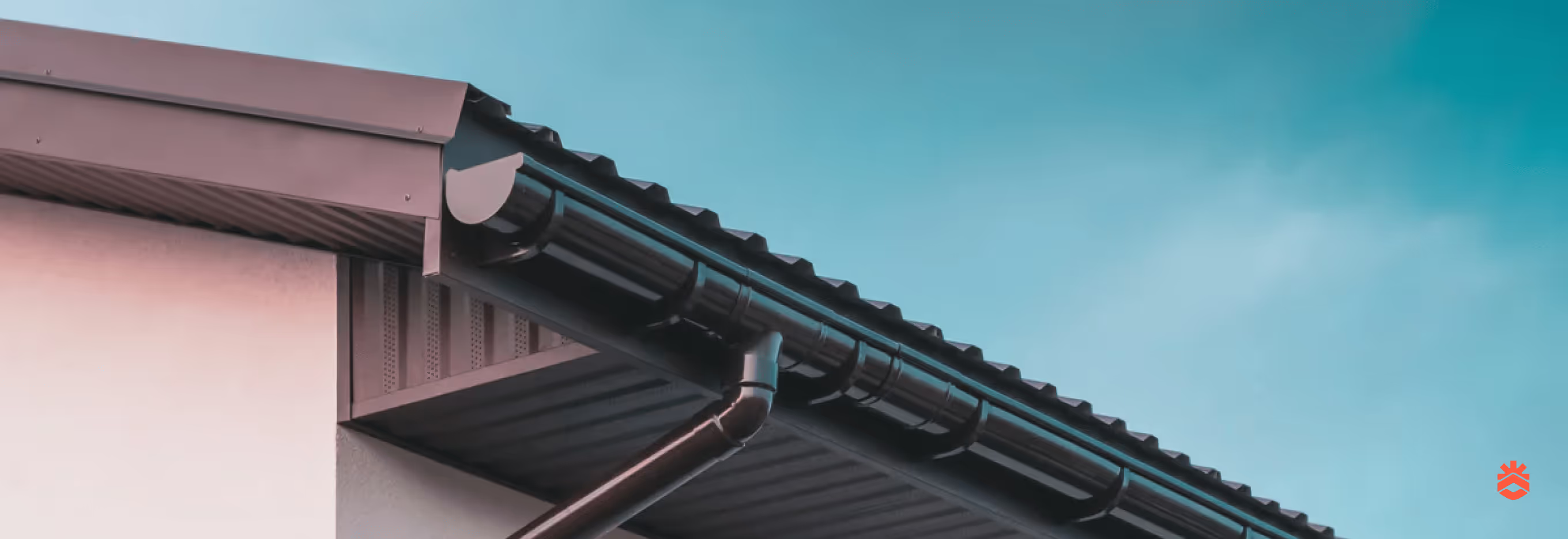


Residential & Commercial Rainwater Systems
Your roof does more than keep rain out — it also needs to move that water safely away from the building.
Impact Roofing installs and replaces residential spouting and downpipes, as well as internal gutters and commercial roof drainage systems across Auckland.
Whether you have overflowing gutters at home, an ageing internal gutter on a commercial building, or a new roofing project that needs its drainage properly considered, we look at the whole system — the roof catchment, gutter fall, outlets, overflows, downpipes and where the water goes next.
Overflowing, leaking or ageing spouting? Replacing your roof and wondering whether the existing gutters should stay? We can assess the system and recommend the appropriate repair, replacement or upgrade.

External guttering, downpipes and roof drainage on business premises, with the work planned around the building staying in use.

Internal and box gutters, sumps, outlets and overflows on commercial and architectural buildings. Where membrane or TPO forms part of the specified internal gutter detail, we coordinate the roofing interfaces with the relevant membrane contractor.

If one of these sounds like you, get in touch and we'll let you know how we can help.
Enquire NowFor Homeowners
Durable metal spouting available in a range of profiles and colours that can be coordinated with a new long run metal roof and the exterior of the home.

A common residential option available in different profiles and colours, including Typhoon spouting. Suitability depends on the property, the existing system and what you are trying to achieve.

Available in COLORSTEEL metal and Marley uPVC. Spouting is only one part of the system — outlet locations and downpipe discharge also affect how well it performs.

Not sure which option suits your home or business? We can assess the system and explain the practical options.
Enquire NowStill deciding between metal and Marley uPVC? We go through the trade-offs in more detail in our roofing guides.
On a new build, the substrate is usually designed and set out for the new drainage system. Existing homes can be different — buildings settle, fascia boards move or sag, and existing outlet locations can limit the fall that can practically be achieved.

Spouting needs sufficient fall towards the outlets so water can drain rather than ponding in sections of the gutter. The existing fascia and building conditions can affect how much fall can practically be achieved.

Where the outlets are positioned matters. Long gutter runs or poorly located outlets can make it harder for the system to move water away efficiently during heavy rainfall.

The gutter, outlets and downpipes need to work together. Adding new spouting without considering the downpipes can leave a restriction further down the system.

Older fascia boards may be uneven, damaged or out of level. That can affect the ability to achieve the desired gutter fall and may need to be addressed before or during installation.

The amount of roof draining into each section of spouting matters. Larger roof areas can require different outlet and downpipe arrangements from a small residential roof.

Spouting needs enough support along its length to hold the fall and carry the weight of water when it is full. Too few brackets and sections can sag over time, creating the ponding the fall was meant to prevent.
Before replacing spouting, we look at the existing layout and the conditions we have to work with. Where the fascia, outlet positions or existing drainage system limit what can be achieved, we explain that before the work begins rather than promising a result the existing building cannot support.
We install to the New Zealand Building Code clauses covering surface water (E1) and external moisture (E2), and to the NZ Metal Roof and Wall Cladding Code of Practice. Where an existing building limits what can be achieved, we tell you before we start rather than after.
For Commercial, Architectural & New Build Projects
Commercial and architectural roofs often require more than standard external spouting. Internal gutters, box gutters, sumps, outlets, overflows and downpipes all need to work together with the roof and the building below.
Impact Roofing works with commercial property owners, builders, architects and developers across Auckland on existing drainage problems, commercial reroofing and new-build roofing projects.
For ageing, corroded or leaking internal gutters where continued repairs are becoming impractical. We can assess the existing system and include gutter replacement as part of a wider commercial roofing project where appropriate.
Internal and box gutter installation for new commercial, architectural and reroofing work, coordinated with the surrounding roof, flashings, outlets and overflow details.
The gutter is only one part of the system. We also consider how water leaves the gutter through sumps and outlets, and how overflow is managed if the primary drainage route becomes restricted.
We look at the relationship between the roof catchment, gutter, outlets and downpipes rather than treating each component separately.
If an internal gutter is leaking, overflowing or ponding, we can inspect the roofing and drainage details to help establish what is happening and what practical work may be required.
We can work with architects, builders and developers from drawings and specifications, coordinate the roofing and drainage details with the wider project, and identify practical installation issues before or during construction.
For new-build and commercial reroofing projects, we can review the roofing and internal-gutter scope from an installation and buildability perspective, coordinate with the project team and carry out the roofing work in accordance with the agreed design. Where specialist structural or membrane design is required, that remains with the appropriate designer or specialist contractor.
Discuss your commercial roof drainage project with us.
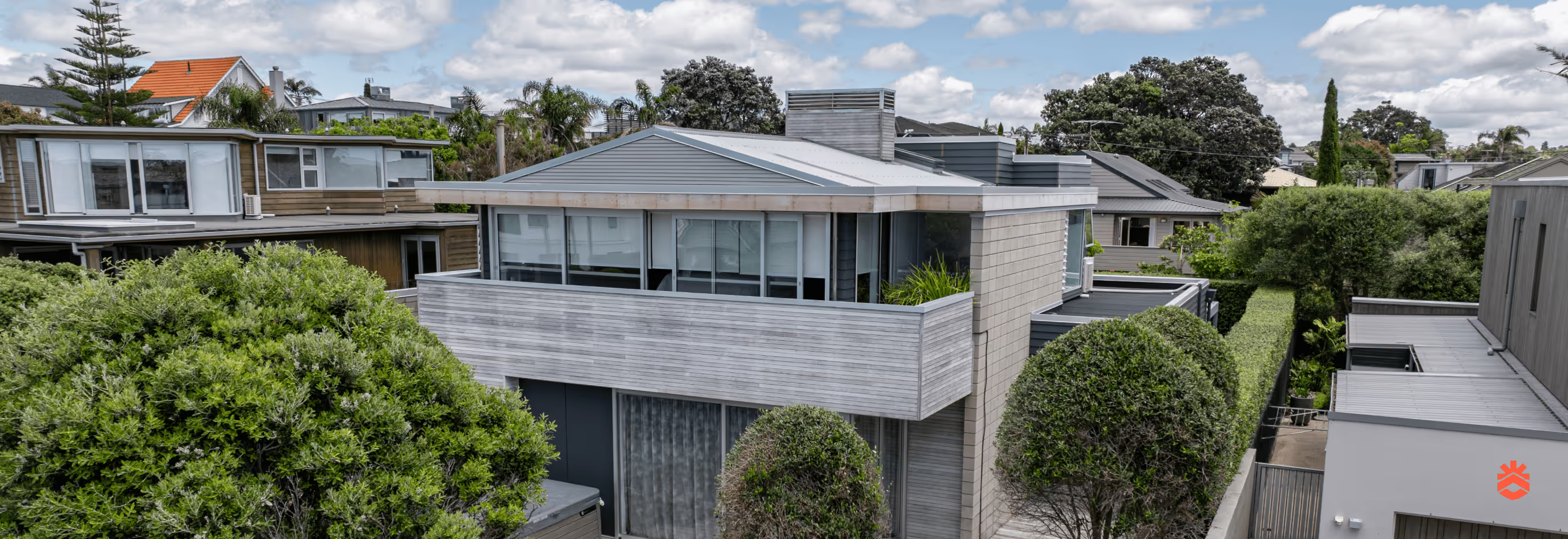
Enquire NowA look at some of the spouting, downpipe, internal gutter and roof drainage work completed by Impact Roofing across Auckland.



Frequently Asked Questions

It depends on the property. The main things that move the price are access — whether the work can be done off ladders or needs scaffolding — the material you choose, the size of the profile, and how difficult the spouting is to get to. As a guide on a linear metre rate, replacement spouting supplied and installed starts from around $50 per linear metre + GST for a standard-size COLORSTEEL profile, and runs up to around $150 per linear metre + GST for the larger commercial COLORSTEEL profiles. Marley uPVC sits between the two. There are also costs that only show up once we have looked at the building: scaffolding if the height or the site calls for it, any repair to the fascia, and whether the fascia needs repainting once the old spouting comes off. Those are specific to your property, so they are worth talking through with us before you commit to a replacement, and we set them out clearly in the quote.
Both are good products and we install both. Marley uPVC is the classic New Zealand spouting and suits a traditional Kiwi home, and it comes in a range of profiles including Typhoon. COLORSTEEL metal spouting is the more modern finish. It can be colour matched to a new long run roof and coordinated with the fascia and cladding, and on the right house it looks very sharp. It is most often installed as part of a roof replacement, while the access is already there. Which one suits comes down to the house, the existing system, how exposed the site is and the look you are after, and we will give you our recommendation when we look at the roof.
The short answer is replace it if it needs replacing. If it is old, cracked, sagging or the joins are failing, it has had its life. The less obvious case is spouting that is not quite there yet. On a two-storey house where the roof is coming off anyway, the scaffolding is already up and already paid for, so if the spouting is two thirds of the way through its life it is often worth doing at the same time rather than paying for access all over again in a few years. The same goes if the existing spouting is giving you grief, and there is nothing worse than listening to a drip late at night. Some spouting is still perfectly serviceable and worth keeping, and we will tell you plainly if that is the case when we quote the roof.
Most often it is simply blocked outlets, or gutters full of debris such as sticks and leaves. That is the first thing to check. But it is not always the cause. Older spouting can sag, brackets can pull away from the fascia, joins can fail, and low points develop where the water spills over the front edge before it ever reaches an outlet. On newer spouting the cause is usually different again. If there are very few outlets, the water has a long way to travel and not much fall to get there, so the gutter overflows before it has a chance to drain. That is not necessarily poor workmanship. It is often a limit of the stormwater drainage around the property rather than the gutter itself, and where new spouting has been installed to the existing layout the real fix can be additional stormwater connections so that more downpipes can be added. Working out which of these it is matters, because replacing old spouting with new spouting in the same layout will not fix a fall or capacity problem on its own.
It depends on the roof. How many outlets and downpipes a building needs comes down to the catchment area draining into each gutter, the size of the building, the gutter profile and the rainfall the system has to move. As a rule of thumb we would not want much more than about 12 metres of gutter draining to a single outlet, but that is a starting point rather than a rule, and every job is different. The practical indicator is how the system behaves. If the gutters are clean and well maintained and they still overflow in heavy rain, there is a good chance you do not have enough outlet or downpipe capacity for the roof above them. Internal gutters on commercial buildings are a different exercise again, and are usually specified by the architect or designer. On an older building the standard solution is not always practical, so the answer has to be worked out for that particular building. For the specifics, MBIE's Building Performance site and the NZ Metal Roof and Wall Cladding Code of Practice both cover roof drainage in detail. If you are not sure, get in touch and we will take a look.
Often you can, but it is not always the right answer. Say you are in a middle unit in a block of ten. Your section is rusting or sagging, so the spouting can be cut at the boundary with your neighbour, a join put in, and your length replaced. You will have new spouting, but you may not have fixed the problem. The spouting runs the length of the building as one system and it does not know where one property stops and the next begins. The fall, the outlet positions and the downpipe capacity are shared, so a new section in the middle of an old run is still working within the old layout. Where we can, we would rather get everyone on board and do the whole run at once, because that is the point at which the underlying issues can actually be sorted. That is easier said than done on a multi-unit property, but it is the better outcome, and we will tell you plainly which of the two you are looking at.
External spouting is fixed around the outside edge of the roof, so if it overflows the water generally spills outside the building. An internal gutter sits within the roof or the building envelope, which means an overflow or a failure can let water directly into the building below. That difference is why internal gutters need more careful consideration of capacity, outlet sizing, overflow provision, material choice and how the gutter will be inspected and maintained over the life of the building.
Common causes include corrosion, failed joints or detailing, blocked outlets, not enough fall, inadequate capacity for the roof area, and deterioration around sumps and penetrations. Because water entering from an internal gutter can travel some distance through the building before it becomes visible, the source needs to be properly investigated rather than assuming the first wet patch is where the failure happened.
Yes, and where the gutter is in poor condition it is strongly recommended. When the roof is off is often the only time anyone gets proper access to an internal gutter, so it is the practical moment to deal with it. Replacing the roof and leaving the gutter can turn out expensive. Either the roof has to come back up in a few years, or the gutter gets a remedial fix such as a smaller liner slipped inside the existing one, which can buy time but does not always pay off. Doing both at once avoids that. It does affect the programme though. Where the gutter is to be lined with a membrane such as TPO, the area may need temporary weather protection such as shrink wrap so the gutter can be rebuilt and the lining installed properly, which means the roof stays open for longer. That is worth knowing at the planning stage rather than halfway through, and we set it out in the programme before the work starts.
Yes. We work with architects, builders and developers on commercial and architectural projects. We can review the roofing and internal gutter details from an installation and buildability point of view, coordinate with the wider project team, and raise practical roofing issues before or during construction rather than once the work is underway. Where specialist structural or membrane design is required, that remains with the appropriate designer or specialist contractor.