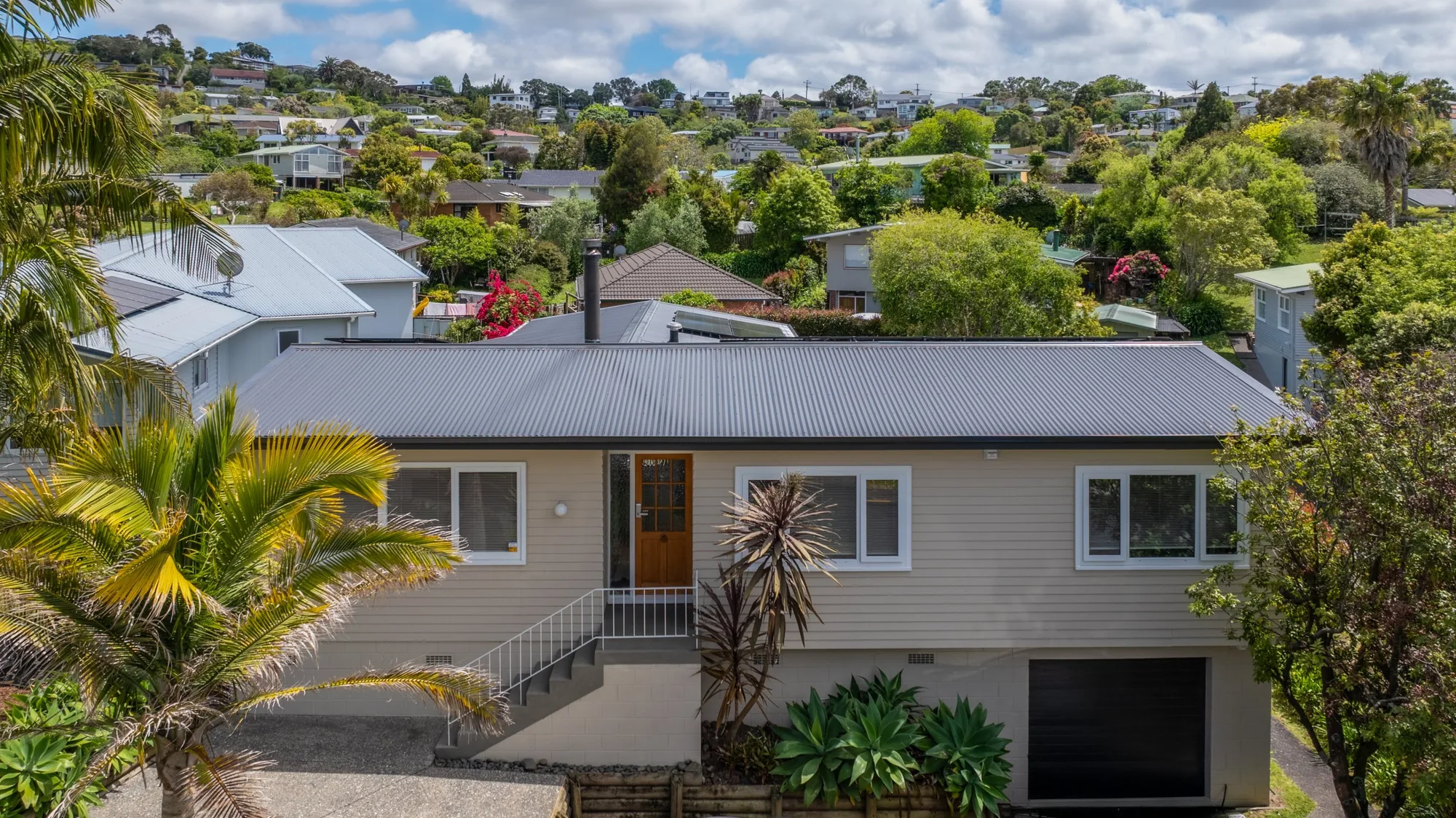
Before solar panels go on, it pays to know whether the roof underneath them is going to last. We inspect the roof, give you a practical view of its condition, and tell you whether we think you can proceed as it is, should carry out maintenance first, or would be better reroofing before the panels go on. It's a lot easier to deal with the roof now than to take panels off again later.

We inspect the existing roof: corrosion, leaks, damaged roofing, fixings, flashings, penetrations and general condition. Then we tell you whether the roof looks fine to proceed with, needs maintenance first, or has reached the point where replacing it before the panels go on makes more sense.
You choose the solar company. We look after the roof and coordinate with them so the two parts of the project happen in the right order, including access, cable routes and penetrations, and with a builder where the ceiling needs opening up.
Solar installers focus on the solar system. We look at it from the roofing side: that the brackets and penetrations are secure and watertight, the flashings are right, and nothing has been left on the roof that shouldn't be there.

If the roof needs major work a few years after the solar goes on, the panels have to come off and go back again before the roofing can be done.

Leaks, corrosion, failing flashings and maintenance are all easier and cheaper to deal with before part of the roof is covered by an array.

Mounting systems, drilling, penetrations and foot traffic all interact with the existing roofing, so the roof needs to be part of the solar project rather than an afterthought.
Get in Touch
Tell us about the property and when the solar is going on. We'll assess the roof and let you know whether we think you should proceed as it is, carry out maintenance first, or consider replacing the roof before the panels go on.
Frequently Asked Questions

It's worth it. Solar panels stay on the roof for a long time, and once they're up, large areas of roofing are harder to get at. Knowing the condition of the roof underneath before you commit means anything that needs doing can be done while it's still easy. We inspect the roof, give you a practical view of its condition, and tell you whether we'd proceed as it is, carry out maintenance first, or replace the roof before the panels go on.
The panels have to come off before the roof can be replaced, then go back on afterwards. That means removal, storage, reinstallation and usually electrical work on top of the roofing cost, so part of the job gets paid for twice. If the roof is already near the end of its life when the panels go on, that's a realistic outcome within a few years, which is why it's worth looking at the roof's condition first.
A solar company does that part, and we work around them. We can recommend a few different solar companies we work with that suit your requirements, or if you already have someone in mind, we'll coordinate with them to make the process effortless. We plan the timing together so the panels come off, the new roof goes on, and your panels are refitted or new ones installed. Once they're back on, we do a peace-of-mind check from the roofing side: that everything is watertight and the new roofing hasn't been dented or damaged.
Not always, but the roof needs to outlast the panels, so we check it first. We assess the overall condition of the roof: corrosion, fixings, flashings, penetrations, previous repairs, any leaks, and how the roofing itself has deteriorated. From that we give you a practical opinion on whether to proceed as it is, carry out maintenance first, or replace the roof before the panels go on. We won't put an exact number of years on a roof, because nobody can, but we'll tell you honestly whether we'd be comfortable seeing it covered with panels.
Often, yes, and it's usually a small job compared with the alternative. Replacing tired fixings, sorting flashings, dealing with corrosion, repairing a leak or fixing spouting are all easier before part of the roof is covered by an array. Anything that ends up under the panels is harder and more expensive to reach later.
It's worth doing. Solar installers specialise in designing and installing solar systems. A roofer looks at the property from a different angle: the condition of the roofing, how much life it has left, the flashings, penetrations and weathertightness. Having the roof assessed from a roofing point of view before the installation helps you decide what work, if any, should happen first.
It can. Installing solar means people working on the roof and fixing mounting systems into it, and older or deteriorated roofing is more prone to denting, scratching or damage during that work. That doesn't necessarily mean anyone has done anything wrong, since the condition of the roof can simply make it vulnerable. Having a roofer involved means anything that shows up can be dealt with properly rather than left.
Yes. We can recommend a few different solar companies we work with that suit your requirements, or if you already have someone in mind, we'll coordinate with them to make the process effortless. We look after the roof and talk to them directly. Where maintenance or a reroof is needed, we coordinate the sequence so the roofing work happens before the panels go on, and we work through cable routes, penetrations, timing and any areas that need to stay accessible. Where the ceiling has to be opened up for access, we coordinate with the builder as well.
We look at the completed installation from the roofing side: the mounting and fixing areas, the cable penetrations and flashings, any scratches, dents or damage to the roofing, and whether drilling swarf or debris has been left on the roof, since that rusts and stains metal roofing. The solar installer looks after the solar system. We're looking at whether the roof has been left weathertight.