

How the Building Code, E2/AS1, the Code of Practice and manufacturer specs rank, and how the 12-month, 5, 10, 15 and 50-year periods fit together.
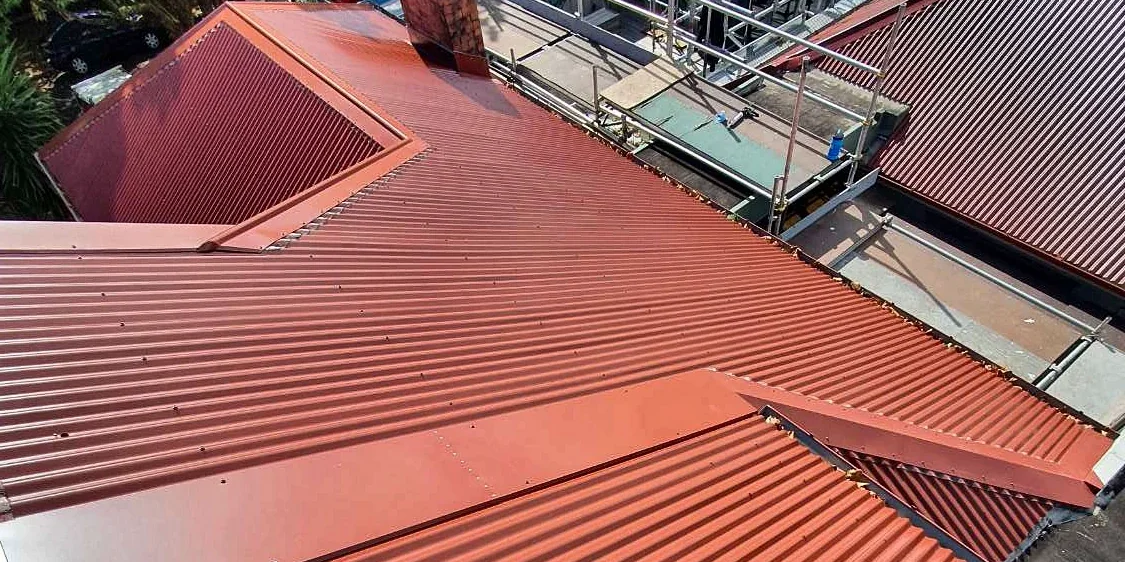
Short answer: the Building Code is the law, and it sits above everything else. E2/AS1 is one pre-approved way of meeting it. The NZ Metal Roofing Manufacturers' Code of Practice and the manufacturer's own specification are the practical minimum: install to them and the roof meets the Code and keeps its material warranty. A roof can be built outside them and still comply, but then the roofer carries the evidence and the manufacturer's warranty usually falls away. Warranties and guarantee periods sit underneath all of that, and none of them can override the Code.
Roofing comes with a stack of documents and numbers: the Building Code, Acceptable Solutions, the Code of Practice, the manufacturer's installation guide, a defects period, a workmanship warranty, implied warranties, a durability period and a material warranty. People, including some in the trade, talk about them as if they were one thing. They aren't, and knowing which one wins when they disagree makes every other conversation about your roof simpler.
From the top down:
| Layer | What it is | Who sets it | What it means for your roof |
|---|---|---|---|
| 1. The Building Code | The law. It sets the performance a roof has to achieve: keep the water out, and keep doing it for at least 15 years with normal maintenance. It doesn’t name a product, a profile or a pitch. | Government, under the Building Act | Every roof has to meet it, consented or not. Nothing below this line can excuse a roof that doesn’t. |
| 2. Acceptable Solution E2/AS1 | A pre-approved recipe for meeting the Code’s weathertightness clause. It sets things like the minimum pitch for each profile. | MBIE | Follow it and the council must accept that the roof complies. It isn’t the only way to comply. |
| 3. NZ Metal Roofing Manufacturers’ Code of Practice | The industry’s installation standard: fixings, flashings, laps, pitch, ventilation and the right materials for each environment. E2/AS1 recognises it as a related document, and manufacturers require it. | The metal roofing industry | The practical minimum. Install to it and you meet the Code and keep the material warranty. It has no legal force of its own. |
| 4. The manufacturer’s specification and warranty conditions | The product’s own rules: minimum pitch, fixings, exposure zone, compatible materials and maintenance. | COLORSTEEL®, COLORCOTE® and the roll-former | Break them and the material warranty is usually void, even if the roof still meets the Code. |
| 5. The roofer’s workmanship warranty | The installer’s own promise about the quality of their work. | The roofer | It sits under all of the above. It can’t make non-compliant work acceptable, and it doesn’t shorten your legal rights. |
The first line is the one that matters. A roof either keeps the water out for its durability period or it doesn't, and no document further down the list changes that.
Yes. The Code is about performance, not recipes, so a roof can be built outside E2/AS1 and the Code of Practice and still comply. That's called an alternative solution. The difference is who carries the risk.
Inside the Code of Practice, the evidence is already done for you: the industry and the manufacturer have shown that a roof built that way performs. Outside it, the roofer has to be able to show that this roof, on this house, will keep water out for its durability period. And the manufacturer's warranty usually doesn't apply, because the product is being used outside its conditions. So there are two risks, and they land on different people: the homeowner carries the material risk, and the roofer carries the risk that the roof doesn't last.
The common example is pitch. Most profiles have a minimum pitch in E2/AS1 and in the manufacturer's guide, and plenty of older Auckland roofs sit below it. On a roof like that we'll tell you three things before we price it: whether the job sits inside the Code of Practice, what that means for the manufacturer's warranty, and what the alternatives are, such as a different profile, re-pitching or a membrane. Then it's your decision, recorded in writing.
Whatever you decide, our workmanship warranty still applies to our work, and your rights under the Building Act and the Consumer Guarantees Act don't change. Nothing we or you sign can move those.

Five different lengths of time come up around a new roof. They come from different places and they bind different people.
| Period | Where it comes from | What it covers | Who it binds |
|---|---|---|---|
| The first 12 months | The Building Act’s defect repair period, often called the defects liability period | Any defect in the work that you notify in writing. The roofer has to put it right, and it’s on them to show a problem isn’t their fault. | The roofer, by law |
| 5 years, or 10 on a new roof | Our workmanship warranty, in the contract | Our installation, flashings and weathertightness, subject to maintenance and the warranty’s conditions. 5 years on a roof replacement, 10 years on a new roof over a newly built structure. We confirm which applies when we quote. | Impact Roofing |
| Up to 10 years | The Building Act’s implied warranties | The work is done properly, with suitable materials, and complies with the Code. They apply to all residential building work, can’t be contracted out of, and can be enforced for up to 10 years. | The roofer, by law |
| 15 years | The Building Code’s durability clause | How long a roof has to keep performing with normal maintenance. It’s the standard the roof is built to, and the test for whether an old roof can be replaced like for like without a consent. | Everyone who designs or installs a roof |
| Up to 50 years | The manufacturer’s material warranty | The roofing material itself, on the manufacturer’s conditions: product, exposure zone, pitch, colour and maintenance. | The manufacturer |
The one that surprises people is the 15 years. It isn't a warranty. It's the performance the Building Code requires of the roof itself, and it's also the test for whether an old roof can be replaced like for like without a consent. MBIE's guidance on recladding roofs puts it plainly: a roof that failed inside its first 15 years didn't meet its durability requirement, so it can't automatically be replaced without a consent.
Is the Metal Roofing Code of Practice law?
No. It's the industry's installation standard, and E2/AS1 recognises it as a related document. It has no legal force of its own, but it's the practical minimum for meeting the Building Code and keeping the manufacturer's warranty.
Does a roof have to meet the Building Code if no consent is needed?
Yes. The Building Act requires all building work to comply with the Code, consented or not. An exemption from consent is not an exemption from the Code. We cover who checks the work in most reroofs don't need a building consent, so who checks the work?
If my roofer gives a 5-year workmanship warranty, is that all I get?
No. The Building Act's implied warranties apply to all residential building work for up to 10 years and can't be contracted out of, and the Consumer Guarantees Act sits alongside them. The workmanship warranty is a direct promise on top. The difference between them is in workmanship warranty vs defects liability period.
What is the 15-year durability period?
The Building Code requires roof cladding to keep performing for at least 15 years with normal maintenance. It's the standard the roof is built to, not a warranty, and a roof that fails inside it hasn't met the Code.
Can a roof be installed outside the manufacturer's specification?
It can, as an alternative solution under the Building Code, but the manufacturer's warranty usually won't apply and the roofer has to carry the evidence that the roof will perform. A good roofer tells you that before pricing, in writing.
Not sure which rules your roof is being quoted to? Request a quote, or call us on 09 376 6331. We're based in Onehunga, Auckland, and you can read more about our residential roofing.
Sources: the Building Code and Acceptable Solutions from MBIE's Building Code compliance guidance; durability and reroofing from MBIE's guidance on recladding roofs; implied warranties from MBIE's guidance on implied warranties and defects; installation standards from the NZ Metal Roofing Manufacturers' Code of Practice.
Technically reviewed by Impact Roofing Solutions.
This article is general roofing information based on our experience working on Auckland properties. Every building and roofing system is different, and requirements can vary depending on the existing construction, location, product specification and proposed work. Project-specific requirements should be confirmed before work begins. Building Code and consent information can change, so check the current requirements with Auckland Council or the relevant project professional where required. Building Act and consumer protection information can also change, so check the current guidance on building.govt.nz or get advice for your situation.


